0
0
- NSC.org
- NSC Shop
- Injury Facts
- Safety+Health Magazine
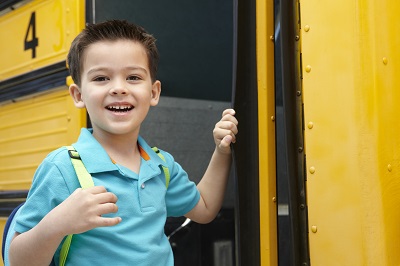
Some 25 million students nationwide begin and end their day with a trip on a school bus. Designed for safety, with flashing lights, giant mirrors, stop-sign arms and that bright yellow color, students are far more likely to get to school safely when taking a school bus than traveling by car, according to the National Highway Traffic Safety Administration.
School buses are designed to protect students through compartmentalization – closely spaced seats and high, energy-absorbing seat backs. Seat belts protect students, too.
In 2015, the National Highway Traffic Safety Administration stated its support for lap and shoulder belts on buses, and NSC has joined in support of this position to ensure the safest ride for children.
School buses are the safest way for students to travel. Nearly two-thirds of school bus-related fatalities of school-age children occur outside of the school bus. Children need to do their part to stay safe both in and around buses:
● Arrive early at the bus stop – at least five minutes before the bus is scheduled to arrive
● Stand 6 feet (or three giant steps) away from the curb while waiting for the bus
● Supervise young children
● Never walk behind the bus
● Cross at least 10 feet (or five giant steps) from the front of the bus and make eye contact with the driver before crossing
● If you drop something near the bus, do not pick it up; tell the bus driver instead
● Wait until the bus stops and the door opens before approaching the bus or standing on the bus
● Use the handrail
● Secure any loose or hanging objects, like straps on a backpack or drawstrings on a hood
● Buckle up if seat belts are available
● Stay in your seat keeping head, arms and papers inside the bus, and talk quietly
● Keep aisles clear of books and bags
There are no items in your cart